
After recent storms in Portugal, ADRA Portugal and ADRA Europe trained local church representatives to prepare, respond, and bring Christ’s love to communities in crisis.
When a storm comes, people need more than shelter. They need a safe place. They need food, care, clear information, and someone who will stand beside them.
This is where the local church can make a life-changing difference.
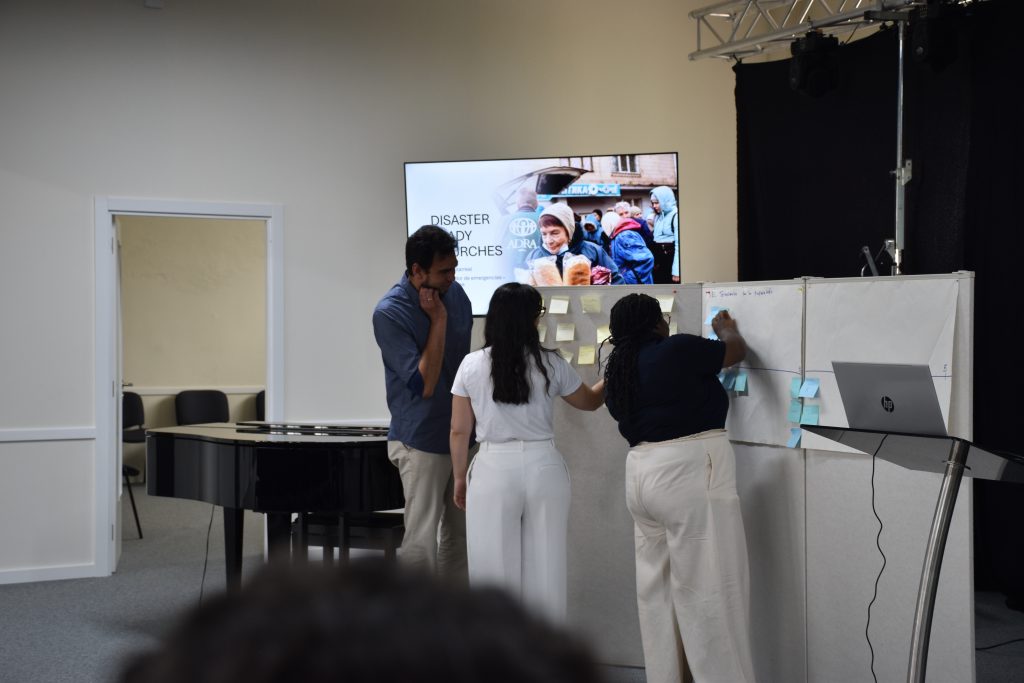
Mid May, 2026, 33 representatives from ADRA Portugal’s local delegations came together in Lisbon for a two-day emergency response training. The workshop was part of the Disaster Ready Churches programme, supported by ADRA Europe and led by Gabriel Villarreal, ADRA Europe Emergency Response Coordinator.
The training came at an important time. Across Europe, local communities are increasingly facing the reality of floods, wildfires, storms, heatwaves, displacement, and social vulnerability. In Portugal, several storms in January and February affected daily life, damaging roofs, cutting electricity, closing schools, and stopping rail services.
For many communities, these events were a clear reminder: preparation cannot begin when the crisis is already here. It must begin before.
For ADRA and connected Seventh-day Adventist churches, disaster preparedness is a practical expression of our calling to serve the whole person – physical, emotional, social, and mental – with compassion and dignity and without strings attached.
What is a Disaster Ready Church?
A Disaster Ready Church is a local church that prepares in advance to serve its community when disaster strikes.
The programme, that was initiated by ADRA in the South Pacific and Asia regions, helps churches follow four simple steps:
1. My Church: The church looks at what it already has. This may include volunteers, rooms, kitchens, vehicles, supplies, equipment, or other resources.
2. My Community: The church studies the risks in its area. It asks: What disasters have happened here before? Who is most at risk? Which local groups, authorities, or organisations could we work with?
3. My Team: The church forms an Emergency Response Team. Volunteers can help with planning, communication, logistics, finance, safeguarding, mental care, and practical support.
4. My Response: The church plans how it could respond. This may include hot meals, hygiene kits, food parcels, cash vouchers, shelter, hands-on volunteer help, mental and emotional support and care.
These steps are simple, but they can save time, reduce fear, and help churches act with wisdom when people are in need.
Learning Together in Lisbon
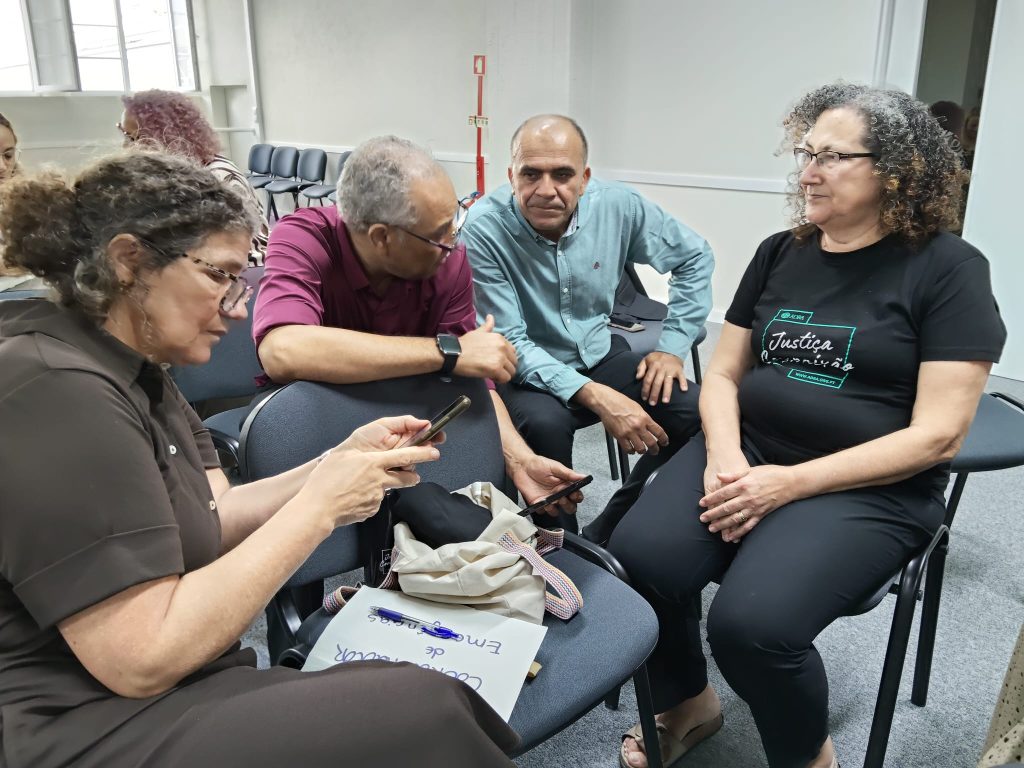
During the Lisbon training, participants learned how to assess local church resources, understand community needs, form an Emergency Response Team, and plan possible emergency response scenarios.
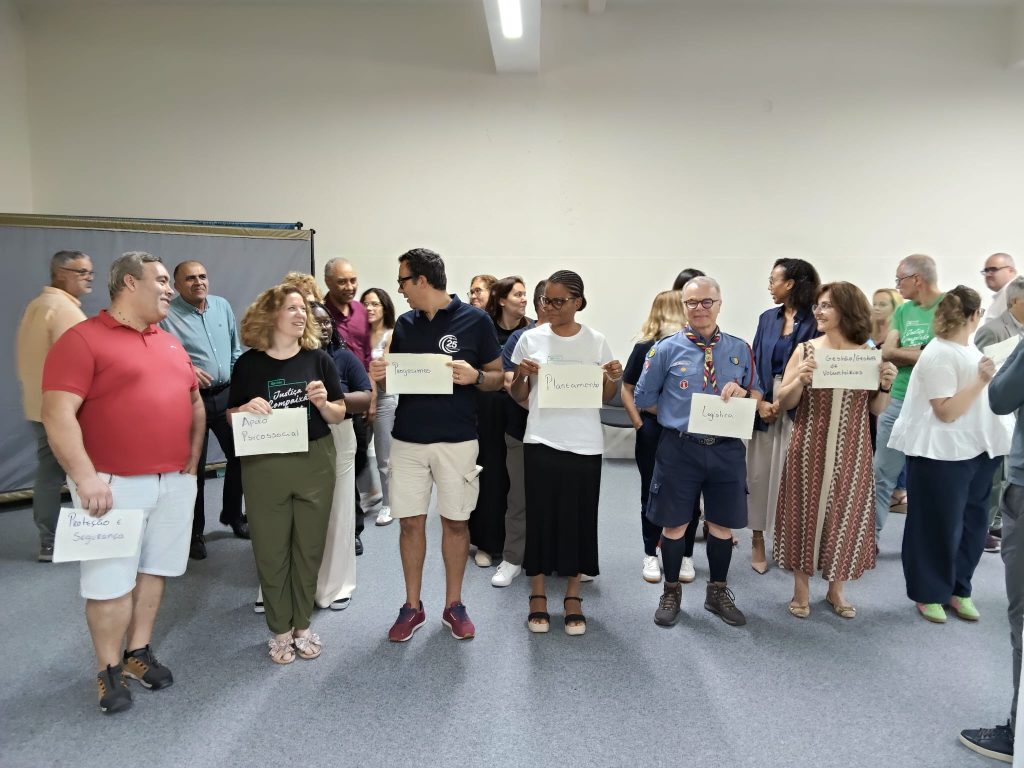
On Sunday morning, the group stood together in a circle and reflected on what they had learned. For many, one message was clear: churches need to build relationships before a disaster happens. They need to know their community, connect with local partners, and prepare their teams early.
One participant from Albufeira shared:
“I would like to thank you for the opportunity to participate in the training. It was a unique and great learning moment.”
The response showed desire for more preparation. Participants asked ADRA Portugal to continue the Disaster Ready Churches training in local regions.
Why Churches Matter in a Crisis
Local churches are often close to the people most affected. They know the streets, the families, the elderly, the children, and the people who may be forgotten.
A church building can become a shelter. A church kitchen can provide hot meals. Church members can offer a listening ear, comfort, prayer, and practical help. Volunteers can support communication, logistics, planning, and distribution.
Preparedness is no longer only the responsibility of emergency professionals. It is also a ministry opportunity for churches that want to love their neighbours well.
ADRA national offices bring technical knowledge, emergency experience, safeguarding standards, and links with the wider ADRA network. Local churches bring people, places, trust, and deep knowledge of their communities. Together, they can serve with both compassion and skill.
In every response, the church’s response or contribution must be practical, humble, and unconditional: Serving people because they are loved by God, never as a condition for religious interest or participation.
Gabriel Villarreal hopes this model will grow across Europe, especially in countries that face disasters year after year. A next training is already in preparation for ADRA volunteers in France.
“I want to motivate other countries in Europe to start implementing the Disaster Ready Churches programme,” he said. “If we are better prepared, we could make a huge difference in the lives of people affected by emergencies. I have no doubts that this is a meaningful way to show the love of Christ to people when they need it the most.”
Love That Prepares
Disaster preparedness is not fear. It is love in advance.
It is the church saying to its community: “We are here. We are ready. We care.”
As followers of Christ, we are called to love our neighbours not only when crisis arrives, but before it arrives: through wisdom, planning, partnership, and service. A prepared church can become a place of safety, dignity, hope, and practical compassion.
Through Disaster Ready Churches, ADRA Europe invites local churches, pastors, church boards, and volunteers to take the next step. Start with what you have. Look at your community. Form a team. Make a plan.
Because when disaster strikes, love must already be ready to move.
Pictures: Shared by ADRA Portugal
